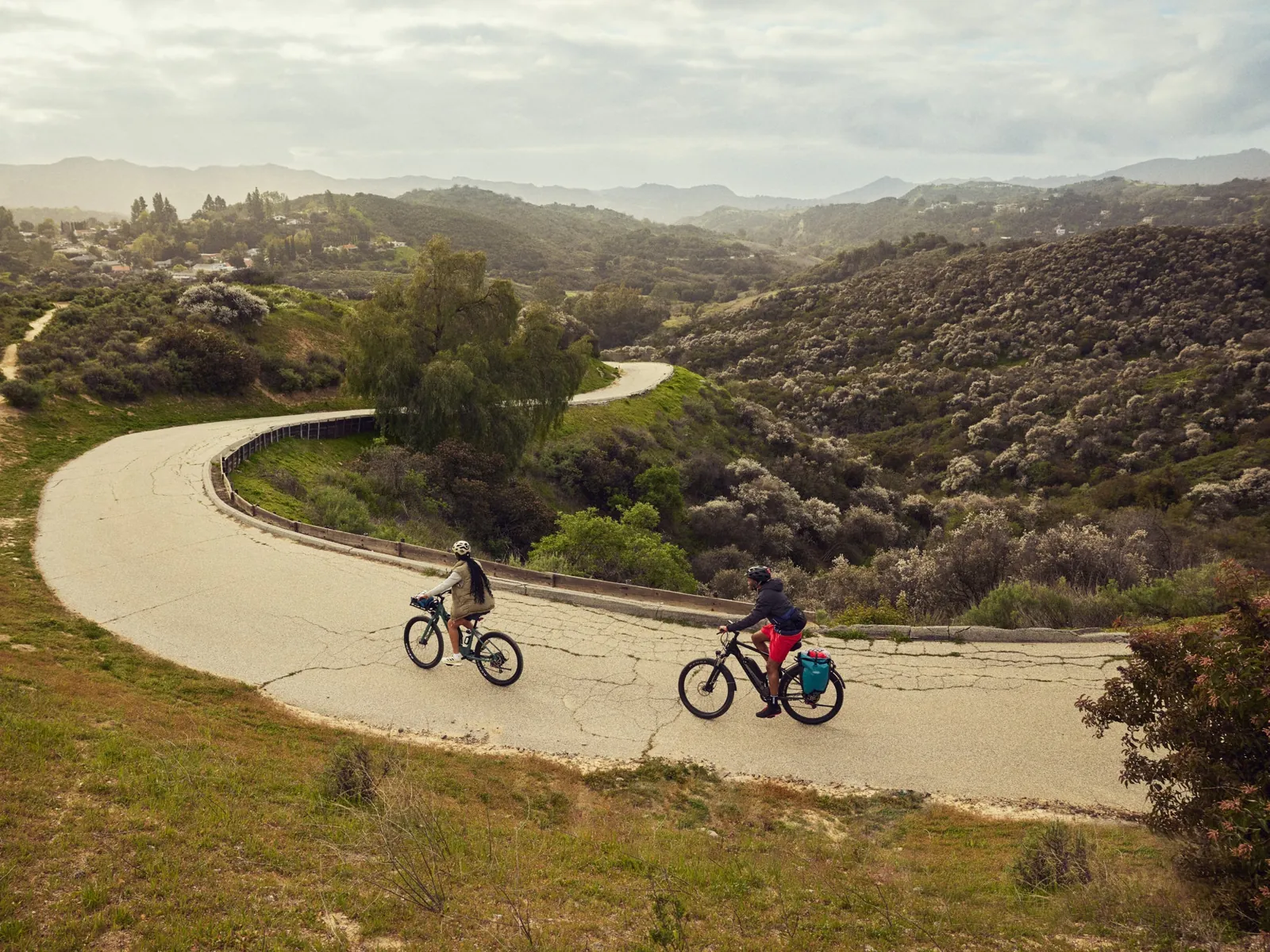
It's still a bike. Just more fun.
You pedal it, you steer it, you stop it. The motor simply steps in when the hill gets steep, the wind picks up, or the Scottsdale heat has other ideas.
Pedal Assist
The motor reads how hard you're pedaling and quietly multiplies your effort. You're still doing the work. You just do more of it.
Throttle
The throttle gives motor power on demand without pedaling. Throttles are capped at 20 mph, even on Class 3 bikes that pedal-assist to 28.
"Isn't that cheating?" Only if riding further, sweating less, and actually using your bike is cheating. We don't think it is.
The 3 E-Bike Classes
The class decides which paths, preserves, and trails you can legally ride. Tap a class to see the rules.
Top assisted speed
20mph
Drive
Pedal assist only
Throttle
No throttle
Where
Most paved paths, bike lanes, and many natural-surface trails.
Not every Class 3 bike has a throttle. On the ones that do, it's limited to 20 mph while pedal assist carries you to 28. We'll tell you exactly which class each bike is and where you can take it.
Hub vs. Mid-Drive
Flip the switch to compare.
Hub Motor
Best for · Flat desert riding
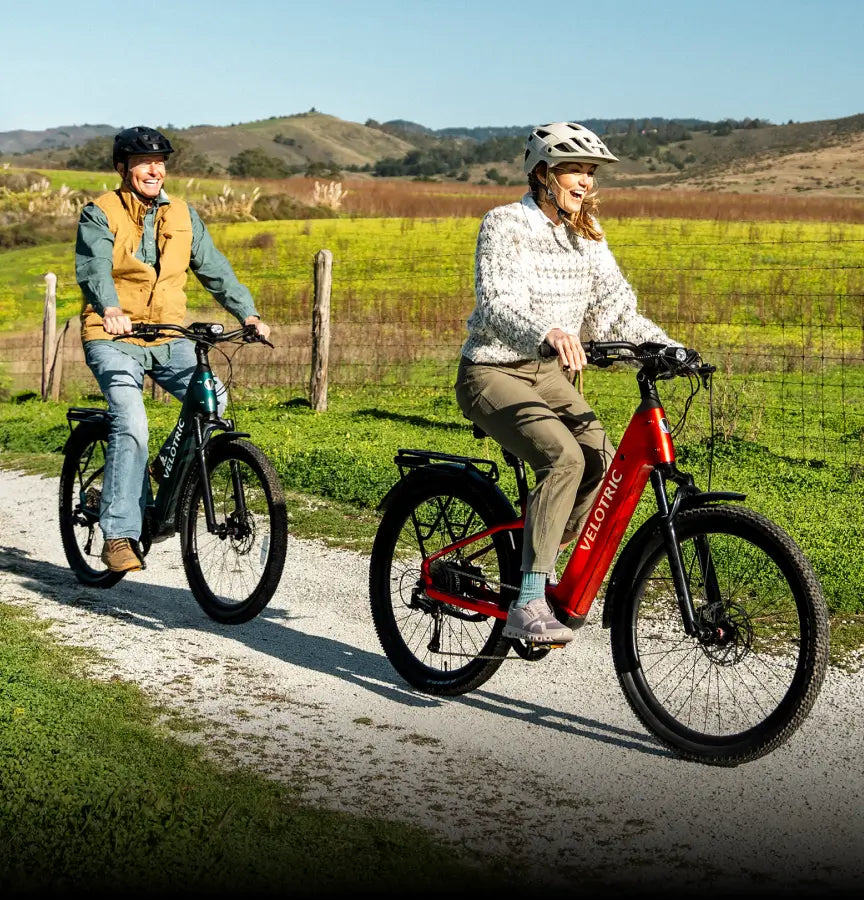
Lives in the wheel hub. Simple, quiet, affordable, and excellent for the mostly-flat grid of Scottsdale, Phoenix, and Tempe. Most of our commuters and cruisers run hub motors.
- Smooth, predictable power
- Lower maintenance
- Friendlier price tag
How far can you really go?
Forget volts. The number that matters is watt-hours (Wh), how much energy is in the tank. Play with it.
Battery size
625 Wh
How much help
Terrain
Up to
39
miles
estimate
An honest ballpark. Real range depends on headwind, rider weight, tire pressure, and Phoenix heat. For most riders, a 625 Wh battery hits the sweet spot.
Which E-Bike is you?
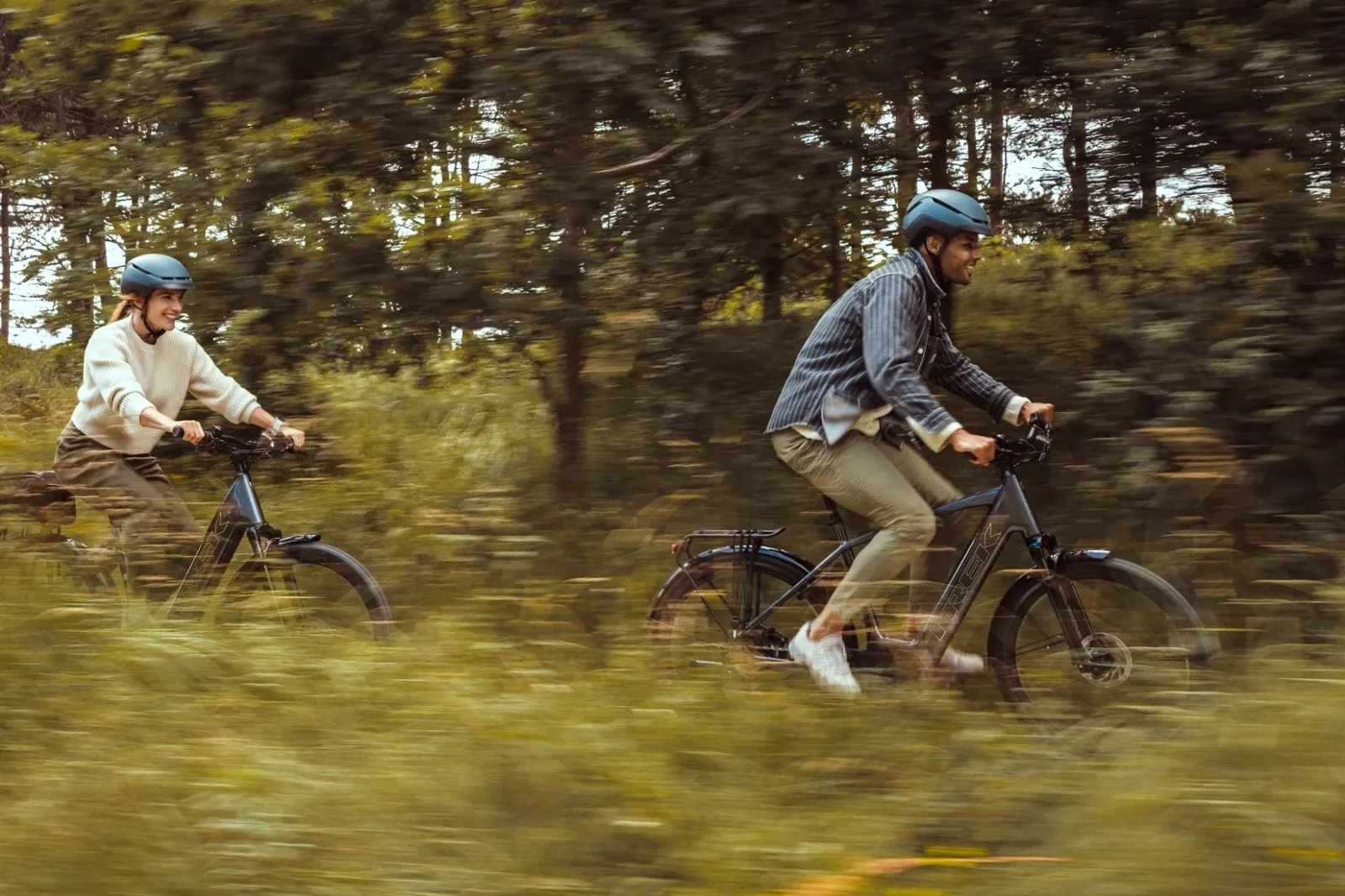
Best for · Errands, greenbelt rolls & short car trips
Cruiser / Commuter
Upright, comfy geometry with lights, fenders, and racks. Easy to ride, great for errands or a relaxed spin, and what most of our customers go home with.
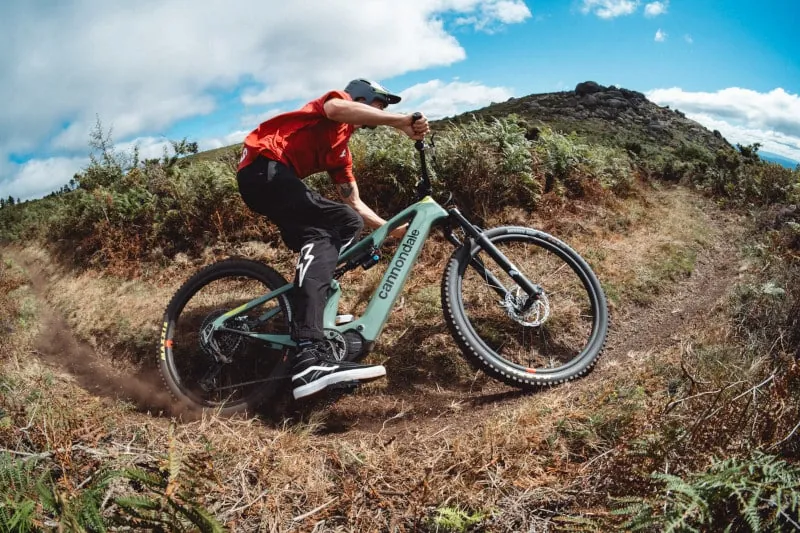
Best for · McDowell, Hawes, Brown's Ranch
Mountain / Trail
Mid-drive power, suspension, knobby tires. Built to climb desert singletrack and descend without rattling your teeth out.
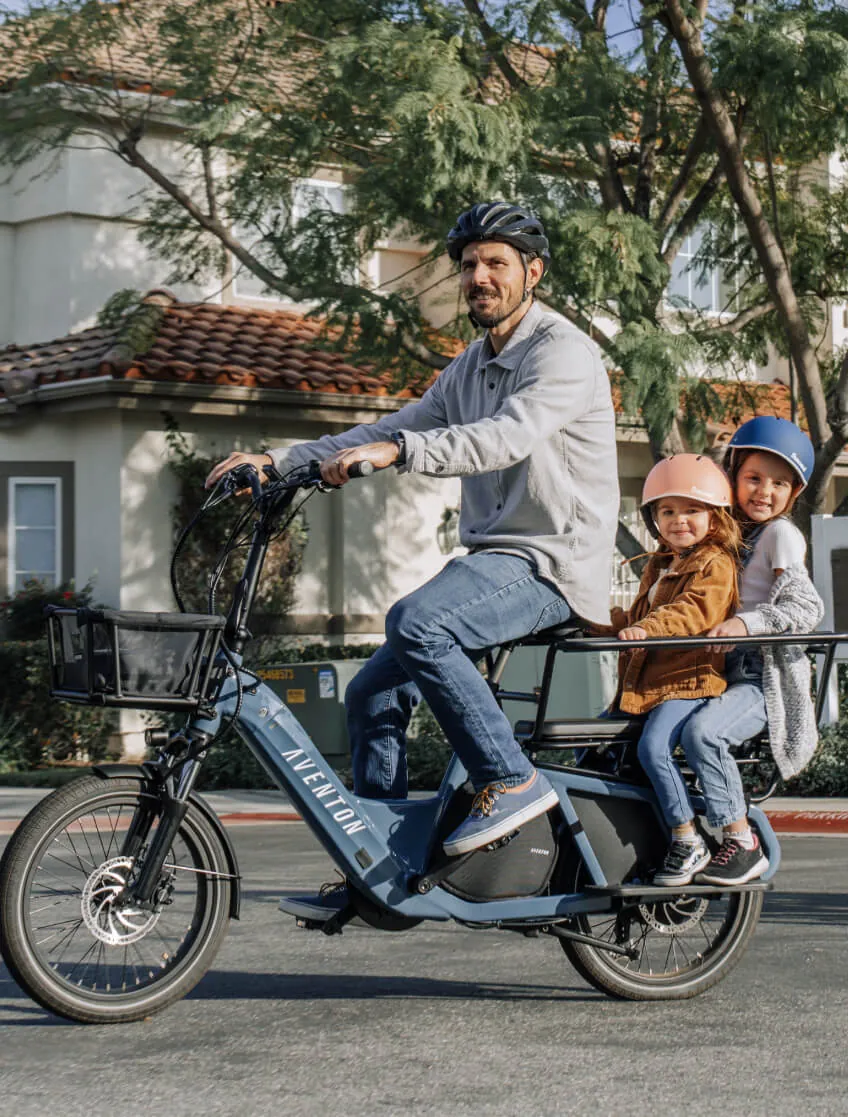
Best for · Kids, groceries, car-free life
Cargo
Long wheelbase, massive payload, planted feel even loaded. A genuine minivan alternative for short-trip families.
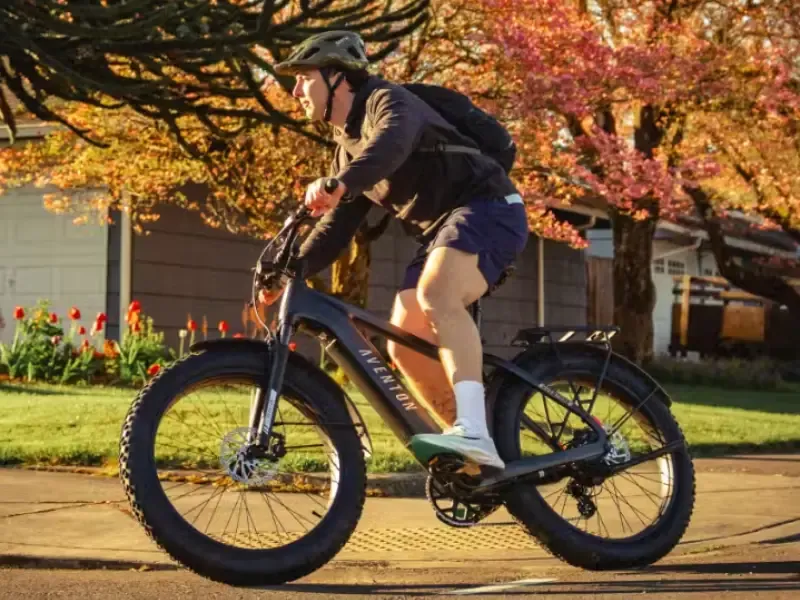
Best for · Sand, gravel, rough paths
Fat Tire
Wide 4-inch tires soak up bumps and float over loose desert dirt. Comfortable, confident, and fun on any surface.
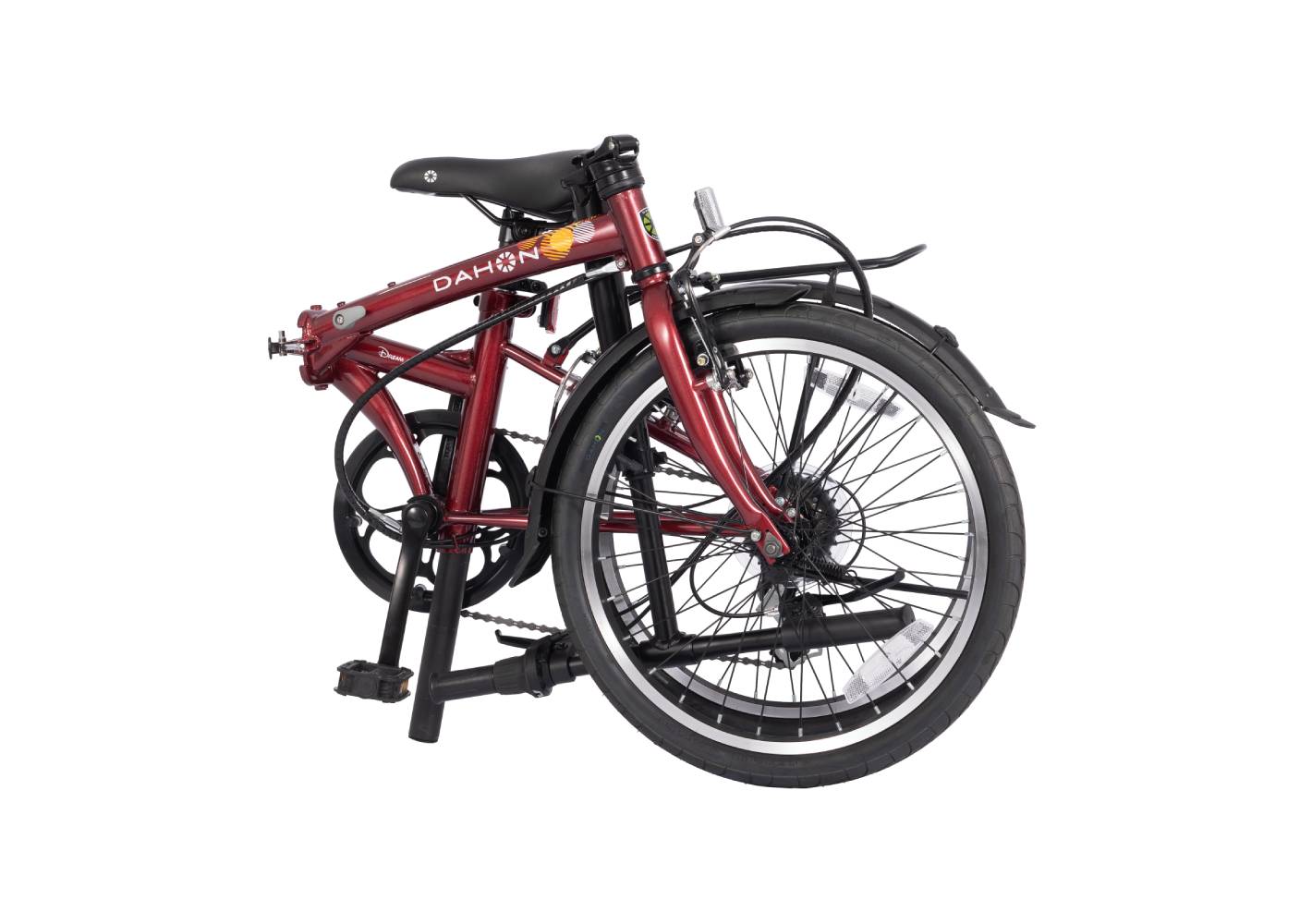
Best for · RVs, apartments, trunks
Folding
Compact, easy to stash in a closet or trunk. Surprisingly capable for short city loops and snowbird life.
Still torn?
A 30-second quiz. Your best matches.
What to look for
The best e-bike isn't the most powerful. It's the one that fits your terrain, your distance, and your reality.
Motor wattage
Match it to your terrain. Flat city riding rarely needs more than 500W.
Battery capacity
Look at watt-hours and plan for the longest ride you actually do.
Frame size & fit
A bike that fits is the bike you ride. This is what a local shop is for.
Brakes
Hydraulic disc brakes are the move on anything with a motor. Period.
Display & controls
You should be able to use it with one hand without thinking.
Warranty
Real coverage from a brand that answers the phone. Not a 90-day disclaimer.
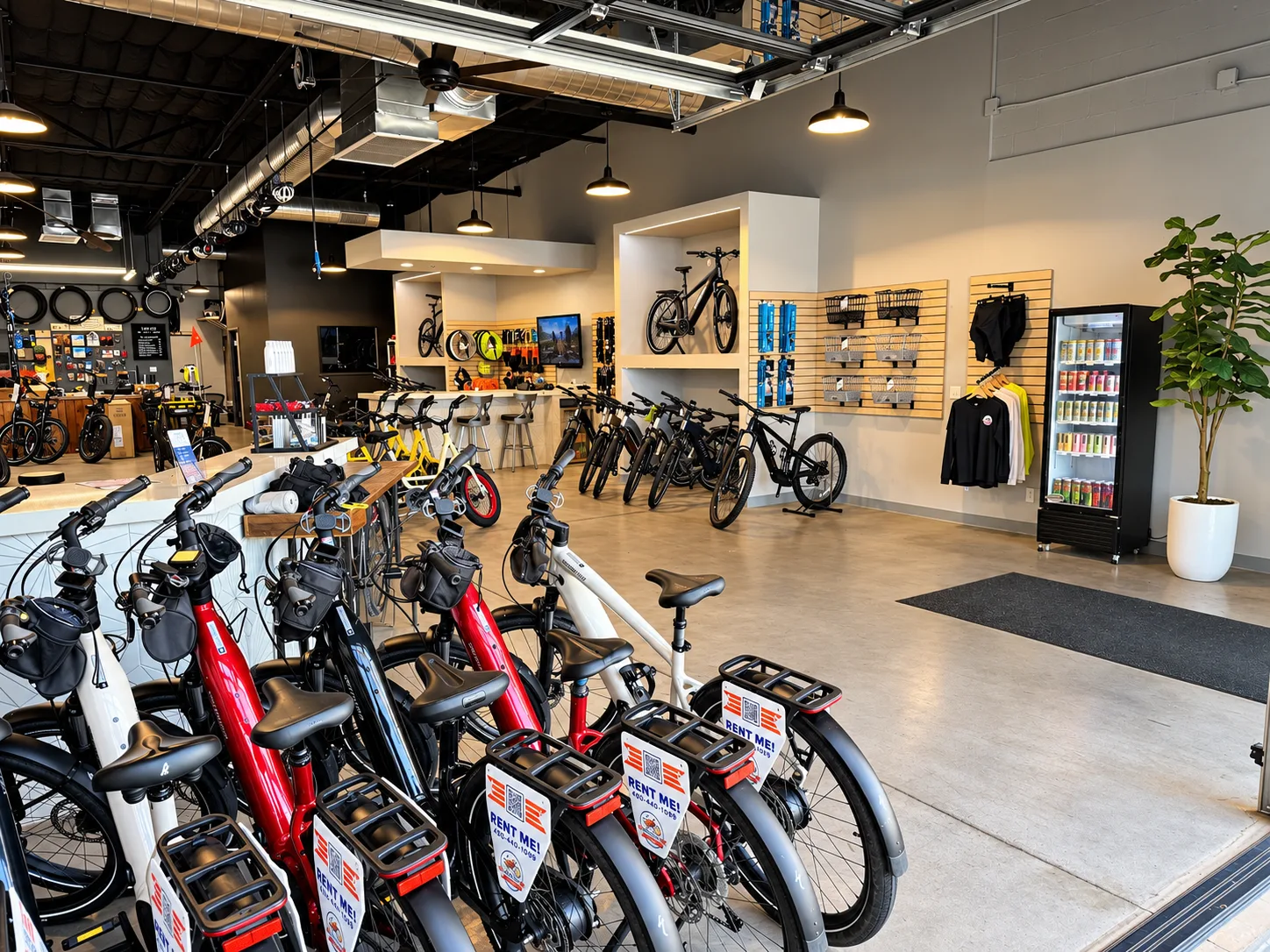
Why buy local? Test-ride several bikes back to back, get fitted on the bike, walk it in when the motor throws a code, and let us handle the warranty with the manufacturer.
How much should I spend?
Entry
Under $1,500
Basic components and shorter range. Fine for short, casual rides, but expect more time in the repair stand.
Sweet spot
$1,500 – $2,500
Reliable motors, hydraulic brakes, real warranties, batteries that last. Where most people stop searching.
Premium
$2,500+
Better motors, lighter frames, premium drivetrains. Worth it for heavy commuters and serious trail riders.
We offer Affirm financing in store: a $2,500 e-bike at 0% for 6 months is about $417/mo.
08 · Riding in Arizona
The local handbook.
Trails & paths
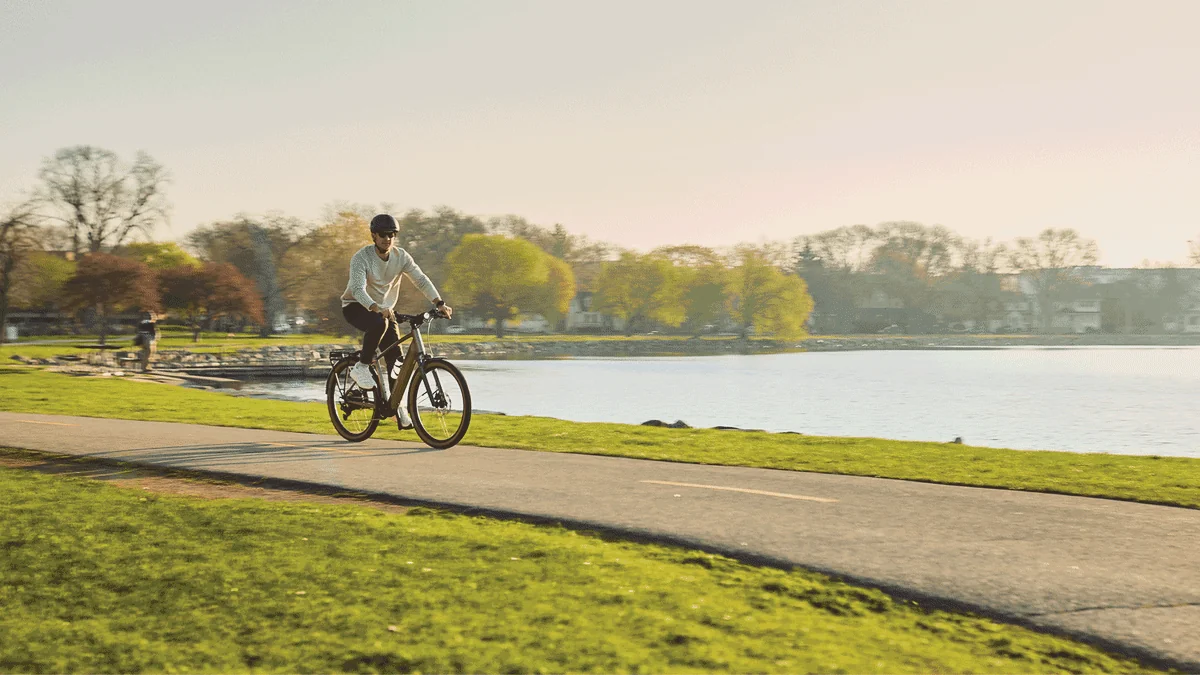
Class 1 is safest for natural-surface trails. Paved paths welcome all classes. Check posted signs.
No license needed
Helmets required under 18. Class 1–3 need no license, registration, or insurance.
Heat riding
Ride early or late, May through September. Light-colored kit. Hydrate harder than you think.
Battery storage
Never leave a battery in a parked car. Store indoors; a 115°F garage shortens its life fast.
Maintenance basics
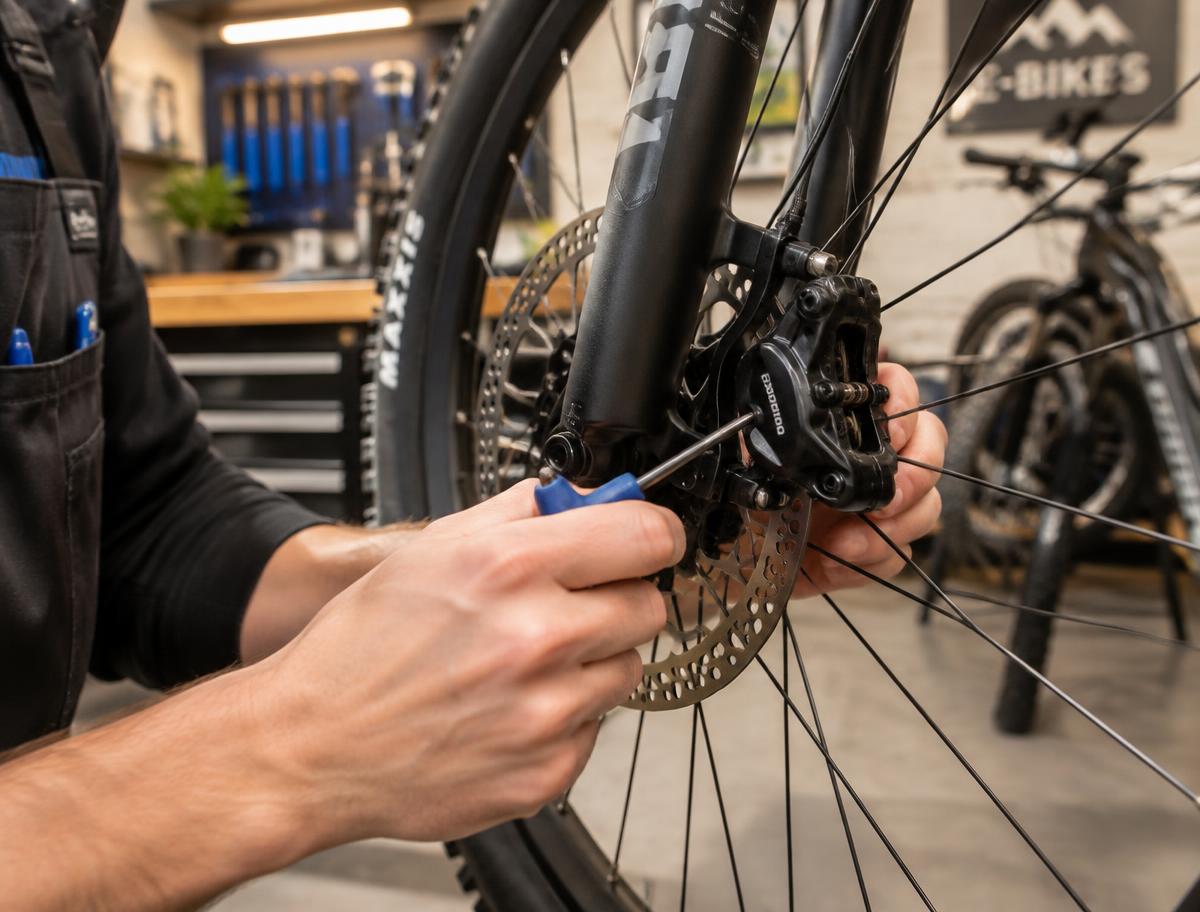
E-bikes are heavier and put more torque through the drivetrain. Tick off your routine.
10 · FAQ
Questions we hear every week.
Absolutely. Studies consistently show e-bike riders log more total hours and more total miles than riders on regular bikes. You'll ride more often and stay out longer.
Yes. Modern e-bikes are rated for rain and puddles. Don't submerge the battery, don't pressure-wash it, and you're fine.
Most quality batteries last 500–1,000 full charge cycles, typically 4–7 years of normal use. We sell replacements when the time comes.
No. Class 1, 2, and 3 e-bikes do not require a license, registration, or insurance in Arizona.
Most natural-surface trails allow Class 1 only. Most paved paths welcome all three classes. We'll show you exactly where each bike is allowed.
That's the whole point of buying local. Roll it in, we fix it, you ride home. We back every bike we sell.